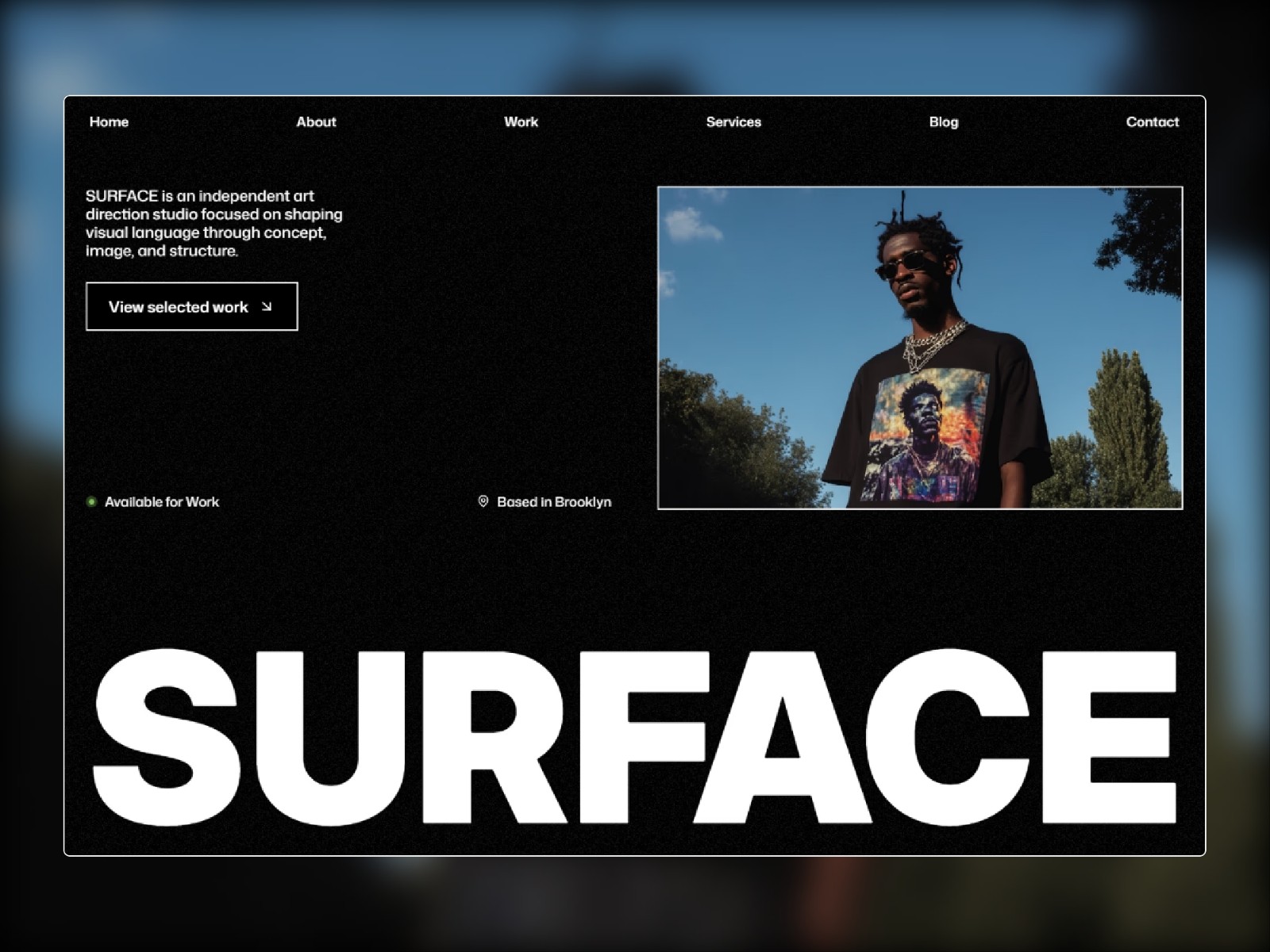
Art direction shapes meaning through structure, intention, and clarity. This article explores how abstract ideas become cohesive visual systems.
Time Read:
5min
Date:
Category:

Nora Delaine
Creative Director & Visual Consultant
Direction as Visual Leadership
Art direction is not decoration—it is leadership. It defines how visual elements align with concept, ensuring every decision supports a clear narrative and intentional outcome.
Setting Visual Intent
Strong direction begins with intent. Establishing a clear visual goal guides decisions around tone, composition, and hierarchy, creating consistency across the entire project.
Creating Cohesive Systems
Direction connects individual elements into a system. Color, typography, imagery, and motion work together when guided by a unifying visual framework.
Guiding Creative Decisions
When direction is clear, decisions become faster and more confident. A strong directional framework reduces ambiguity and keeps creative exploration focused.
Maintaining Consistency
Consistency builds recognition and trust. Art direction ensures that visual language remains coherent across formats, platforms, and scales.
More Articles
A selection of related articles exploring art direction, creative process, and visual culture from different perspectives.